

Today's Verse
When I look at your heavens, the work of your fingers, the moon and the stars, which you have set in place, what is man that you are mindful of him, and the son of man that you care for him?
Psalm 8:3-4
Historical Context
Psalm 8 is the first psalm of pure praise in the Psalter, and it comes from David, likely written during his years as a shepherd or in the early part of his reign. The superscription tells us it was given to the choirmaster and set 'according to The Gittith,' probably a tune or instrument associated with Gath, or perhaps a winepress melody used at harvest. Either way, it was meant for the gathered worship of Israel, not private meditation alone.
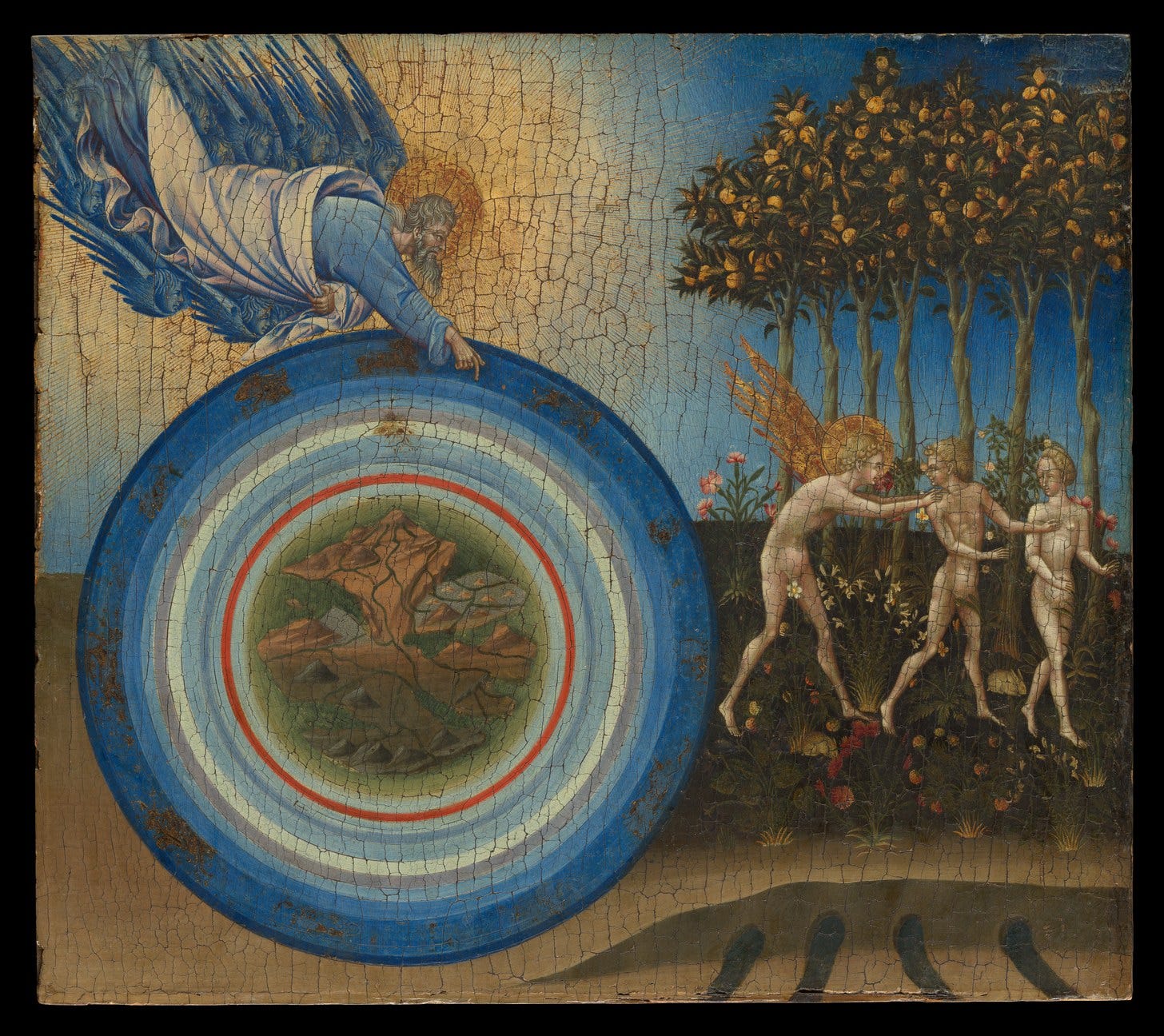
The imagery reflects a man who has spent nights under an open sky. Before electric light and city glare, the ancient near-eastern night sky was overwhelming: thousands of visible stars, the moon in its phases, the sweep of the Milky Way. The surrounding pagan cultures worshiped these lights as gods. Babylonians read fate in the stars. Egyptians deified the sun. David does something startling: he calls the moon and stars the work of God's fingers, casual craftsmanship, not deities to be feared.
The psalm also assumes the Genesis account. David is meditating on Genesis 1, where God makes humanity in his image and gives them dominion over the animals. He names the same categories Genesis names: livestock, wild beasts, birds, fish. This is not vague nature-poetry. It is theology sung back to God from a man who knows the Torah.
The framing lines are identical: 'O LORD, our Lord, how majestic is your name in all the earth.' Everything the psalm says about the heavens and about man sits inside that frame. The point is not chiefly cosmology or anthropology. The point is the majesty of the Name.
Reflection
Two thoughts kill worship in the modern soul. The first is that we are too small to matter. The second is that we are too big to need God. Psalm 8 answers both in the same breath.
David looks up. The heavens are vast, the stars uncountable, and he feels the weight of his own smallness. 'What is man that you are mindful of him?' It is a real question, not a rhetorical one. And the answer is not that man is impressive. The answer is that God is mindful. The dignity of humanity does not rise from within us. It is bestowed. Crowned. Given by the King who set the stars in place with his fingers.
This cuts both ways. If your dignity is a gift, you cannot lose it by failure, and you cannot manufacture it by achievement. The depressed believer who feels worthless and the successful believer who feels self-made are making the same mistake in opposite directions. Both are measuring by the wrong ruler.
And there is more. The New Testament takes verse 4, 'the son of man,' and applies it to Christ (Hebrews 2:6-9). The dominion Adam forfeited, Jesus has secured. He was made a little lower than the angels, tasted death for everyone, and is now crowned with glory and honor. The psalm's vision of a human being reigning under God is fulfilled in the risen Christ, and through him extended to all who are his.
So go outside tonight. Look up. Let the stars do their work. Then remember: the God who made them knows your name, numbered your days, and sent his Son to die for you. That is not sentiment. That is the gospel written in the sky.
For Reflection
When you consider the night sky, does it make you feel forgotten by God or remembered by him, and why?
Prayer
O LORD, our Lord, how majestic is your name in all the earth. We are small, and you are mindful of us. We are sinful, and you have crowned us in Christ with glory we did not earn. Teach us to receive our dignity as your gift, not our achievement. Lift our eyes from ourselves to your heavens, and from your heavens to your Son, who reigns over all things for our sake. In Jesus' name, Amen.
Paid subscribers get the study section below: the word behind the English, the setting, and where this thread runs through the rest of Scripture.