

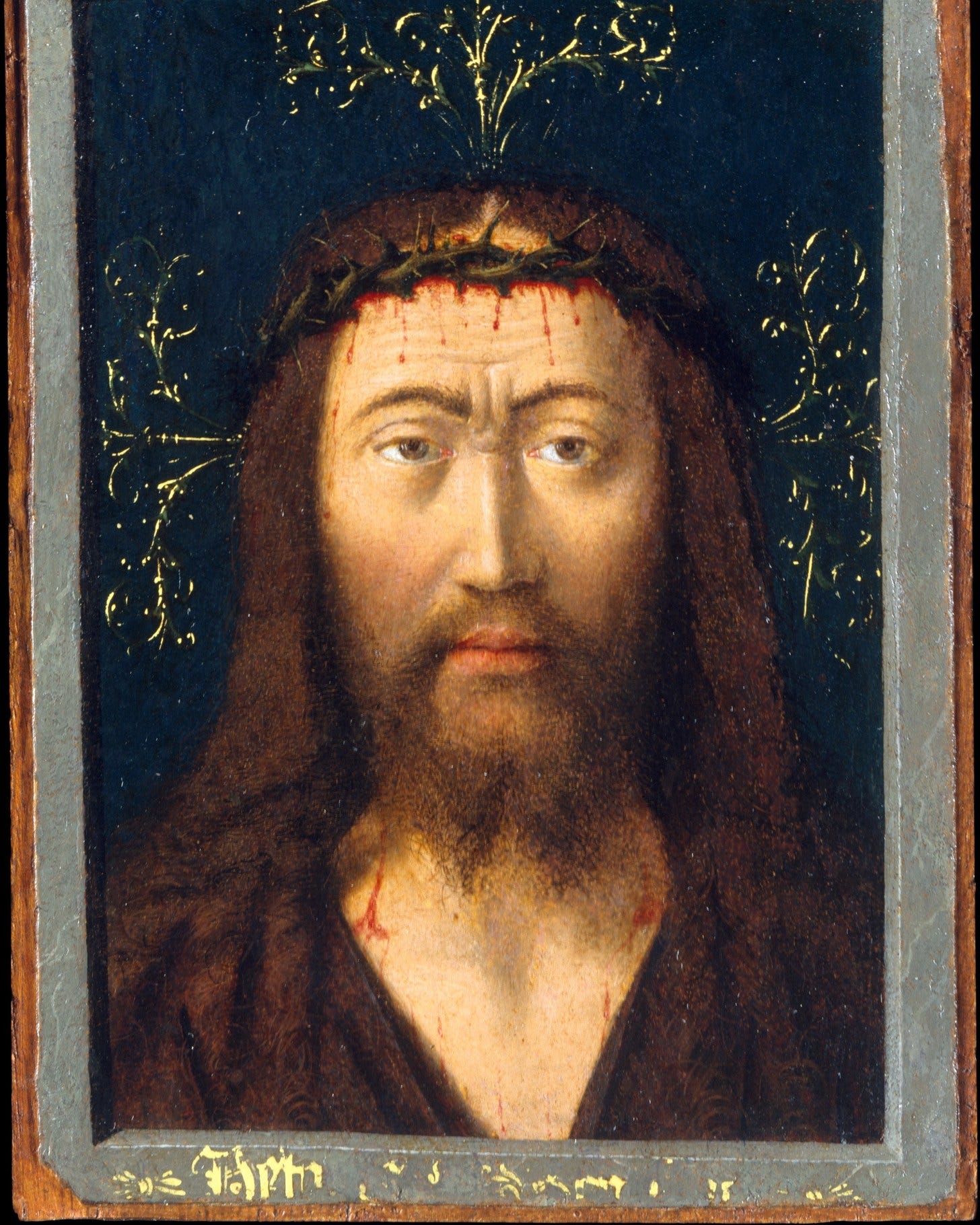
Today's Verse
These are a shadow of the things to come, but the substance belongs to Christ.
Colossians 2:17
Historical Context
Paul writes to the church at Colossae around AD 60-62 from prison, probably in Rome. He had not planted this church himself. Epaphras, a Colossian convert, had brought the gospel home and then traveled to Paul with worrying news. A teaching was spreading through the congregation that layered extra requirements on top of Christ: dietary rules, observance of Jewish feast days and new moons and Sabbaths, severe treatment of the body, visionary experiences, and some kind of veneration of angels as mediators between God and man.
Colossae sat in the Lycus Valley in what is now western Turkey, a crossroads town where Jewish synagogue practice, Greek philosophical asceticism, and local mystery religions all rubbed shoulders. The teachers troubling the church seem to have blended elements of each, promising a deeper spirituality to anyone willing to climb the ladder of rules, fasts, and secret knowledge. To an outsider it looked impressive. It had, as Paul says in verse 23, an appearance of wisdom.
Paul's whole letter answers this by lifting Christ up. In chapter 1 he is the image of the invisible God, the one in whom all things hold together, the head of the body, the church. In chapter 2, verse 9, in him the whole fullness of deity dwells bodily. So when Paul reaches our passage, his argument is already made. If Christ is everything, then adding to Christ is subtracting from him. The food laws and festivals were real shadows cast backward by a real sun, but once the sun has risen you do not go chasing shadows. You walk in the light.
Reflection
There is a kind of religion that feels serious because it is hard. It counts things, forbids things, measures things. It can tell you exactly what you ate, what you wore, what you watched. And Paul says plainly: that is not the same as holiness. It can even be its opposite.
Notice what he says these rules cannot do. They have no value in stopping the indulgence of the flesh. None. A man can keep every rule on the list and still be proud, still be bitter, still be enslaved to the sins that live below the surface where the rules cannot reach. The flesh laughs at a diet. What kills the flesh is dying with Christ.
The danger for us is subtle, because we are not usually tempted to worship angels or keep new moons. We are tempted to build quieter cages: the Christian who measures faithfulness by a reading plan completed, a podcast queue cleared, a political tribe maintained, a diet of entertainment carefully curated. None of these things are wrong. All of them can become the thing you hold fast to instead of the Head.
Paul's test is piercing. Are you holding fast to Christ? Not to Christian habits, not to Christian culture, not to the respect of other Christians, but to the risen Lord himself. The body grows, he says, from the Head. Cut off from him, you can be busy with holy-looking things and still be withering.
The gospel is not a shorter list of rules. It is a Person who died for you, rose for you, and is now joined to you by the Spirit. Everything else is shadow. He is the substance.
For Reflection
Where in your life have you quietly swapped holding fast to Christ for holding fast to a rule, a routine, or a reputation that only looks like him?
Prayer
Lord Jesus, you are the substance and I have too often chased the shadow. Forgive me for the religion I have built to make myself feel safe, and for the pride I have mistaken for devotion. Teach me to hold fast to you, the living Head, and to let your Spirit do the deep work no rule of mine can do. Put to death what is still fleshly in me, and grow me up into you. In your name, Amen.
Paid subscribers get the study section below: the word behind the English, the setting, and where this thread runs through the rest of Scripture.