

Today's Verse
Six days you shall do your work, but on the seventh day you shall rest; that your ox and your donkey may have rest, and the son of your servant woman, and the alien, may be refreshed.
Exodus 23:12
Historical Context
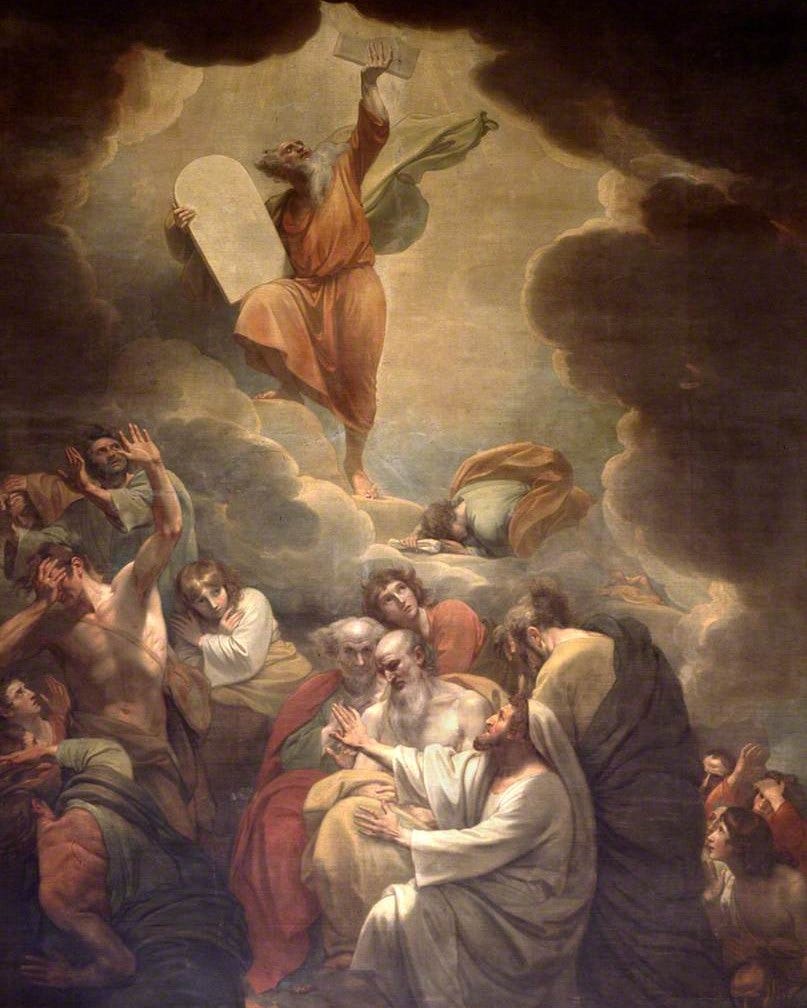
Exodus 23 belongs to what is often called the Book of the Covenant (Exodus 20-23), the body of case law God gives Israel at Sinai immediately after the Ten Commandments. Israel is a nation of former slaves, roughly three months out of Egypt, learning for the first time what it means to live under a God rather than a Pharaoh.
The commands here are agricultural because Israel was about to become an agricultural people. Egypt's economy had been built on their backs with no sabbath, no fallow year, no rest for man or beast. Pharaoh's logic was simple: more bricks, more harvest, more wealth. The alien and the slave were fuel for the furnace.
Against that memory, God legislates something astonishing. Every seventh year the fields lie fallow. Not for crop rotation, Israel's neighbors knew nothing of that practice as a religious command, but so that the poor may eat freely from what grows on its own, and after them the wild animals. Every seventh day the ox, the donkey, the servant's son, and the resident foreigner all stop working. The command binds the landowner precisely by protecting those with no power to demand rest for themselves.
Verse 13 then draws the hard line. All of this, the rhythm of work and rest, of harvest and release, is tied to exclusive loyalty to the LORD. The names of other gods are not to cross Israel's lips. The surrounding Canaanite religions bound fertility and harvest to Baal and Asherah. Israel's land, time, animals, and dependents belong to the God who brought them out of Egypt, and to no other.
Reflection
We tend to read sabbath as a personal wellness tip. God frames it as justice.
Notice who the verse names: the ox, the donkey, the servant's son, the alien. These are the ones in no position to demand a day off. The command falls on the person who could, if he wished, drive them seven days a week. God refuses to let him.
This is the God we serve. He does not merely tolerate the weak, He writes their rest into the fabric of the week and backs it with His own authority. A culture that cannot stop working is a culture that will always, eventually, grind its weakest members into dust. Egypt proved it. Our own age keeps proving it, in different clothes.
And then verse 13: pay attention, and do not even speak the names of other gods. The connection is not incidental. The reason we cannot stop is almost always that some other god has our tongue. Mammon tells us one more hour. Reputation tells us one more email. Anxiety tells us the whole thing will fall apart if we close the laptop. These are not neutral pressures. They are rival lords, and Scripture calls them by name.
Sabbath is an act of trust. It confesses that the world is held together by Christ and not by me, that the harvest comes from God and not from my refusal to rest, that the poor and the weary have a Defender who outranks every employer. To stop working on the seventh day, and to let others stop, is to preach a small sermon with your week: the LORD is God, and there is no other.
For Reflection
Which rival god most often convinces you that you cannot afford to stop, and what would it look like this week to call that god by its real name?
Prayer
Father, You are the Lord of our time, our work, and our rest. Forgive us for the gods we have obeyed instead of You: the hurry, the hoarding, the fear of falling behind. Teach us to trust You enough to stop. Make us protectors of rest for those under our authority, as You have been a protector of rest for us. We thank You for Jesus, our true Sabbath, in whom we find rest for our souls. In His name we pray, Amen.
Paid subscribers get the study section below: the word behind the English, the setting, and where this thread runs through the rest of Scripture.