

Today's Verse
And do not be grieved, for the joy of the LORD is your strength.
Nehemiah 8:10
Historical Context
The year is roughly 445 BC. Jerusalem's walls have just been rebuilt under Nehemiah's leadership after nearly a century of ruin. The exiles have trickled back from Babylon in waves, but the returned community is small, poor, surrounded by hostile neighbors, and spiritually thin. Most of them were born in exile. They have heard of the Law, but have never heard it read aloud as a whole people in their own city.
The seventh month (Tishri) opens with the Feast of Trumpets, a sacred assembly commanded in Leviticus 23. The people gather, but notice what they ask for: they tell Ezra to bring the Book. The hunger comes from the people themselves. Ezra is both priest and scribe, the man God had prepared decades earlier to teach the Law in Israel (Ezra 7:10).
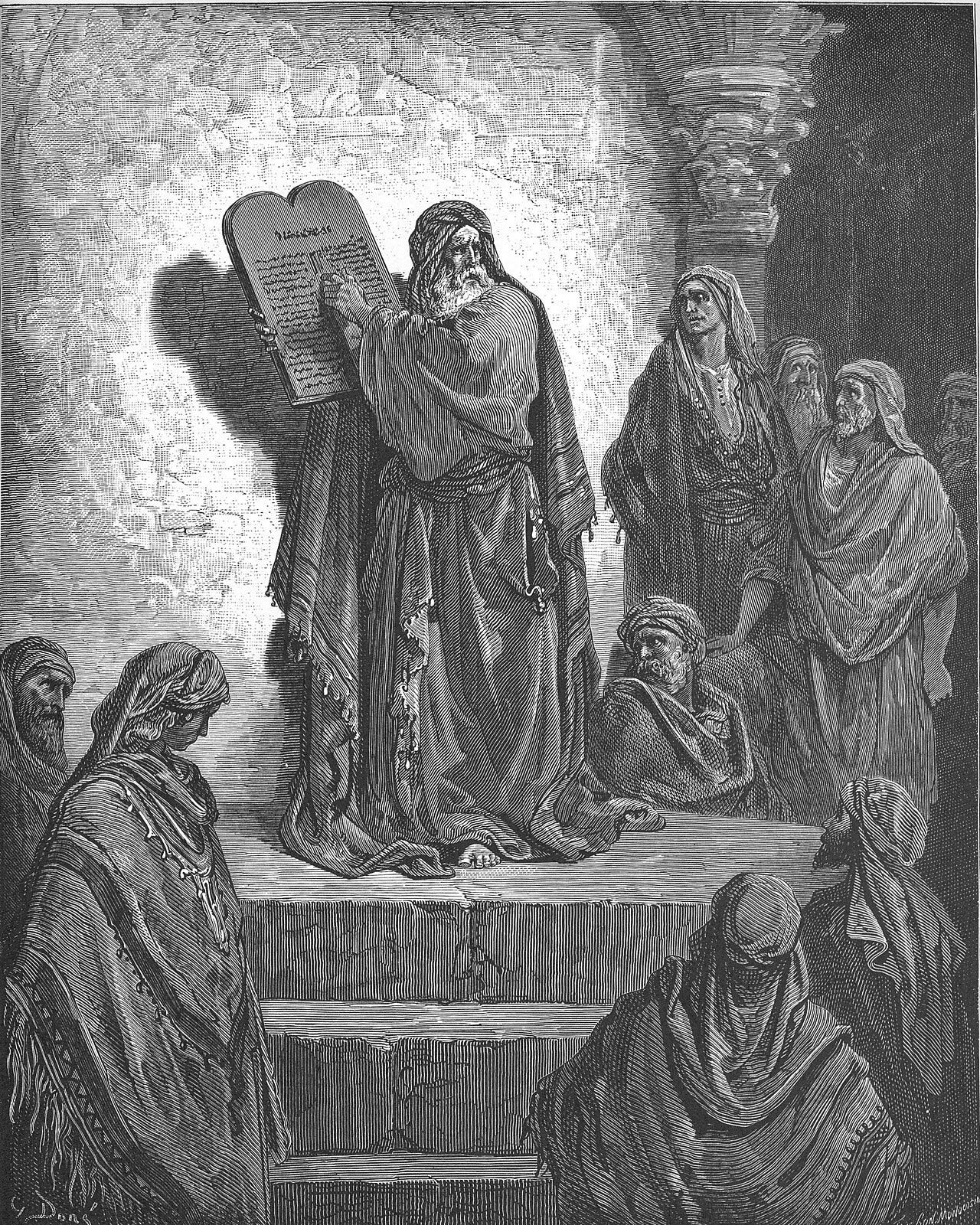
The scene at the Water Gate is deliberate. It stands outside the temple precinct, in a public square where ordinary civic life happened. The Law is being brought out to the people rather than hidden behind priestly ritual. The reading lasts from dawn until midday, roughly six hours, and the people stand to hear it.
One detail matters enormously. Verse 8 says the Levites read clearly and gave the sense. After seventy years in Babylon, many of the returned exiles spoke Aramaic more fluently than Hebrew. The Levites were probably translating and explaining as they went. It is an early picture of a pattern God's people kept for centuries: public reading paired with public explanation. This is the pattern Jesus will step into in Luke 4, and the pattern the Church inherits every Lord's Day.
Reflection
Something happens when the Word of God is read plainly and explained faithfully. The people wept. They had not heard the Law like this in their lifetimes, and the first honest response to Scripture is almost always grief. You see yourself. You see the gap between what God commanded and how you have lived. You see the generations of compromise that landed your nation in exile. Tears are the right first reaction.
But Nehemiah and Ezra will not let the people stay there. This day is holy. Do not mourn. Go eat the fat and drink sweet wine and send portions to those who have nothing. The joy of the LORD is your strength.
Notice what they leave out. They never tell the people their sin was small or soften the Law they have just read. They tell them that the God who gave this Law is your God, and today is His day, and His joy is the ground you stand on.
This is the rhythm of the Christian life. Scripture convicts us, and conviction is a mercy. But conviction that never breaks into joy has not yet understood the gospel. Christ bore the full weight of the Law we have broken. The cross is God's answer to every honest tear shed over Scripture. We do not stay at the Water Gate weeping. We go home to feast, and we send portions to those who have nothing ready, because the joy of the Lord overflows into generosity.
If Scripture only crushes you, you are reading half the book. If Scripture never crushes you, you are not reading it at all. Read it whole, and then go eat the fat.
For Reflection
When was the last time Scripture made you weep, and what did you do next?
Prayer
Father, thank You for Your Word, which cuts and heals in the same stroke. Give us the hunger the people had at the Water Gate, the honesty to grieve what Your Law exposes in us, and the faith to receive the joy You offer in Christ. Make us a people who read Scripture whole, who repent deeply, and who feast gladly in Your presence. Teach us to send portions to those who have nothing ready. In Jesus' name, Amen.
Paid subscribers get the study section below: the word behind the English, the setting, and where this thread runs through the rest of Scripture.