

Today's Verse
Therefore let us go to him outside the camp and bear the reproach he endured. For here we have no lasting city, but we seek the city that is to come.
Hebrews 13:13-14
Historical Context
Hebrews was written, most likely in the 60s AD, to Jewish Christians under pressure. Their faith in Jesus had cost them. Some had been publicly shamed, others imprisoned, their property plundered (Heb. 10:32-34). The temple in Jerusalem was still standing, its priesthood still functioning, its sacrifices still smoking. For a Jewish believer wavering under persecution, the temptation was obvious: drift back toward the old system, the familiar rituals, the social safety of synagogue life. Stop standing out. Stop being hated.
The whole letter answers that temptation by showing the supremacy of Christ — better than angels, Moses, Aaron, the old covenant, the old sacrifices. Chapter 13 brings it down to street level. After twelve chapters of soaring theology, the writer turns to the ordinary: love each other, welcome strangers, visit prisoners, honor marriage, refuse greed, follow faithful leaders, beware of strange teachings.
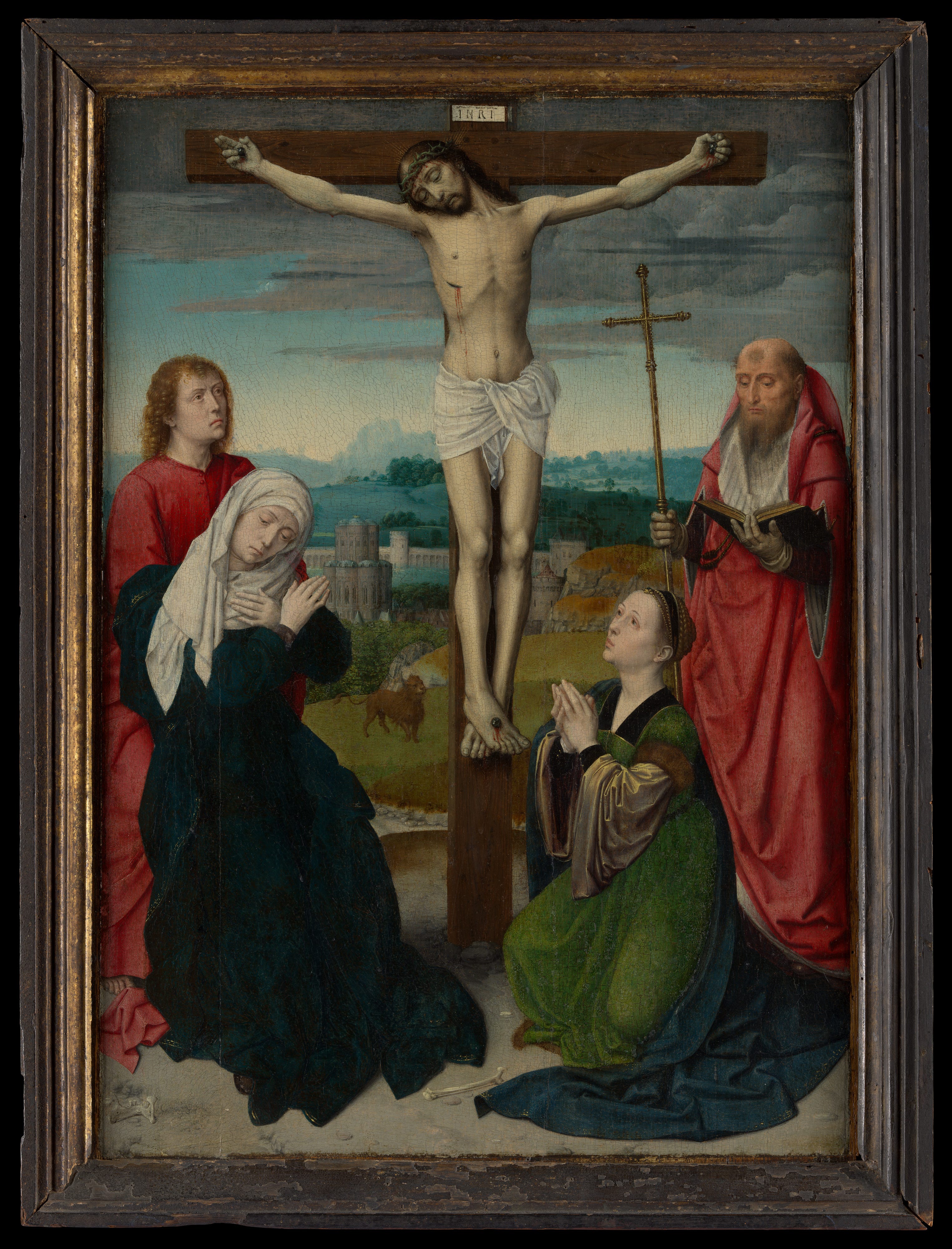
The image in verses 11-13 reaches back to Leviticus 16, the Day of Atonement. The sin offering's body was carried outside the camp and burned — cast out, unclean, disgraced. Jesus, the writer says, was crucified outside Jerusalem's gate in exactly that pattern. He bore the disgrace. So his followers must be willing to walk out to him there, surrendering the comforts of the old religious city.
The original readers heard this with sweat on their faces. To go "outside the camp" meant accepting that synagogue, sometimes family, sometimes livelihood, were closing behind them. Their consolation: the city they belonged to was not behind them at all. It was ahead.
Reflection
Hebrews 13 has a way of exposing where we actually live. The writer lists the texture of a faithful life — love that doesn't quit, hospitality, remembering prisoners, honoring marriage, contentment, sound doctrine, perseverance — and then plants the flag: Jesus Christ is the same yesterday and today and forever. He doesn't drift. Cultures drift. Churches drift. We drift. He doesn't.
That unchanging Christ suffered outside the gate. He was treated as unclean so that we, the actually unclean, could be sanctified through his blood. This is not Jesus as moral example or kindly teacher. This is the high priest who is also the sacrifice, dying in the place reserved for what God rejects, so that we could be received.
And then the call: go to him there. Bear the reproach he bore. Most of us will not be dragged before magistrates. But we will be asked, again and again, to step away from a culture that finds the gospel embarrassing — its sexual ethics quaint, its exclusivity offensive, its call to repentance intolerable. The temple of our age has its own priests and its own approved sacrifices, and it would very much like us to stay inside and keep quiet. Hebrews says: walk out.
Notice what the writer puts in our hands as we go. Not protest. Not outrage. A sacrifice of praise — "the fruit of lips that acknowledge his name" — and the quiet sacrifices of doing good and sharing what we have. That is the pilgrim life. Praise on our lips, generosity in our hands, eyes on the city that is to come. The camp we are leaving is burning anyway. The city ahead is forever.
For Reflection
Where in your life right now is Christ asking you to step "outside the camp" and accept some loss of comfort or reputation for his name?
Prayer
Father, you have given us a Savior who suffered outside the gate so that we, who deserved to be cast out, could be brought near. Thank you. Give us courage to follow him there — to leave behind whatever comfort or approval is keeping us inside the camp. Steady our hearts with the truth that Jesus Christ is the same yesterday and today and forever. Fill our lips with praise and our hands with generosity, until we reach the city that is to come. In Jesus' name, Amen.
Recent Devotionals
The God Who Sees a Runaway Slave Girl — June 8, 2026
Hoping Against Hope With Father Abraham — June 7, 2026
The Viper, the Fire, and the Servant's Hand — June 5, 2026
Image: Gerard David, The Crucifixion, c. ca. 1495, The Metropolitan Museum of Art, New York — Public Domain (Met Open Access) via The Metropolitan Museum of Art.
Scripture quotations are from the ESV® Bible (The Holy Bible, English Standard Version®), copyright © 2001 by Crossway, a publishing ministry of Good News Publishers. Used by permission. All rights reserved.
There is a difference...as night and day.between Jesus of the Word and the jesus of the world.
Today's insight brought conviction.
that's good as it is needed...
Reminded of the song
I have decided to Follow Jesus no turning back.
Thank you for this wonderful article, much appreciated! I never thought of Hebrew’s in quite this way before but now I see it— how it must have felt to leave Everything familiar to follow The Lord Jesus Christ and Him Crucified❣️🙏❤️🙀🇮🇱😻