

Today's Verse
Who is a God like you, pardoning iniquity and passing over transgression for the remnant of his inheritance? He does not retain his anger forever, because he delights in steadfast love. He will again have compassion on us; he will tread our iniquities underfoot. You will cast all our sins into the depths of the sea.
Micah 7:18-19
Historical Context
Micah prophesied in Judah in the late eighth century B.C., during the reigns of Jotham, Ahaz, and Hezekiah. The northern kingdom of Israel was about to fall to Assyria (722 B.C.), and Judah herself was wobbling — corrupt judges, dishonest merchants, idolatrous priests, and prophets who told rich men what they wanted to hear. Micah, a country prophet from Moresheth in the Judean foothills, did not flinch. The book is mostly hard words: courtrooms, sieges, exile, the leveling of Jerusalem.
But the book does not end there. Chapter seven moves from lament to confession to hope. The final three verses are sometimes called the climax of Micah's theology — a stunned question and a stack of promises. The question — "Who is a God like you?" — is almost certainly a play on Micah's own name, which means "Who is like Yahweh?" The prophet signs his book with his name turned into worship.
His original hearers would have caught the echoes. "Pardoning iniquity and passing over transgression" is lifted from Exodus 34, God's self-revelation to Moses after the golden calf. "Faithfulness to Jacob and steadfast love to Abraham" reaches back to Genesis. Micah is saying: the God who kept covenant then will keep covenant now, even with a people who deserve exile. The promise to tread iniquities underfoot and cast sins into the sea would have sounded extravagant to people who knew exactly what they had done. That is the point. Mercy is not measured by what we deserve but by who God is.
Reflection
There is a kind of Christian who knows the doctrine of forgiveness and still walks around carrying his sins in a sack. He confesses them, then picks them back up on the way out of church. He believes God forgives in theory and inspects himself in practice. Micah is written for him. Micah is written for you.
Look at the verbs. God pardons. He passes over. He does not retain. He has compassion. He treads underfoot. He casts into the sea. These are not polite gestures. This is a God actively, deliberately, gladly putting your sin where it cannot be retrieved. Corrie ten Boom famously added, "and posts a sign: No Fishing." That is exactly right. The sin you keep dredging up, God has drowned.
But notice what makes this possible. Micah says God "delights in steadfast love." He does not forgive grudgingly, as if mercy cost Him nothing. In fact mercy cost Him everything. The sea into which our sins were cast is, in the end, the wounded side of Christ on the cross. Sin was not waved away; it was tread underfoot when Jesus crushed the serpent's head. The pardon Micah glimpsed from a distance, we receive by name in the blood of the Lamb.
So repent honestly — Micah does not let us skip that step. Name the sin. Bring it into the light. Then believe what God says He has done with it. Do not insult the cross by clinging to what Christ has already drowned. Walk out forgiven. Live like a person whose debts have been paid, because they have.
For Reflection
What sin do you keep fishing back out of the sea that God has already drowned in the blood of Christ?
Prayer
Father, who is a God like You? You delight in steadfast love. You do not retain Your anger. You have cast our sins into the depths of the sea through the blood of Your Son. Forgive us for doubting what You have done. Forgive us for carrying what You have buried. Teach us to repent honestly and to believe boldly, walking as those whose debts are paid in full. Keep us faithful until we see You face to face. In Jesus' name, Amen.
Recent Devotionals
Sheep Sent Among Wolves — June 24, 2026
Be Faithful Unto Death — June 23, 2026
Orthodox, Tireless, and Missing the One Thing — June 22, 2026
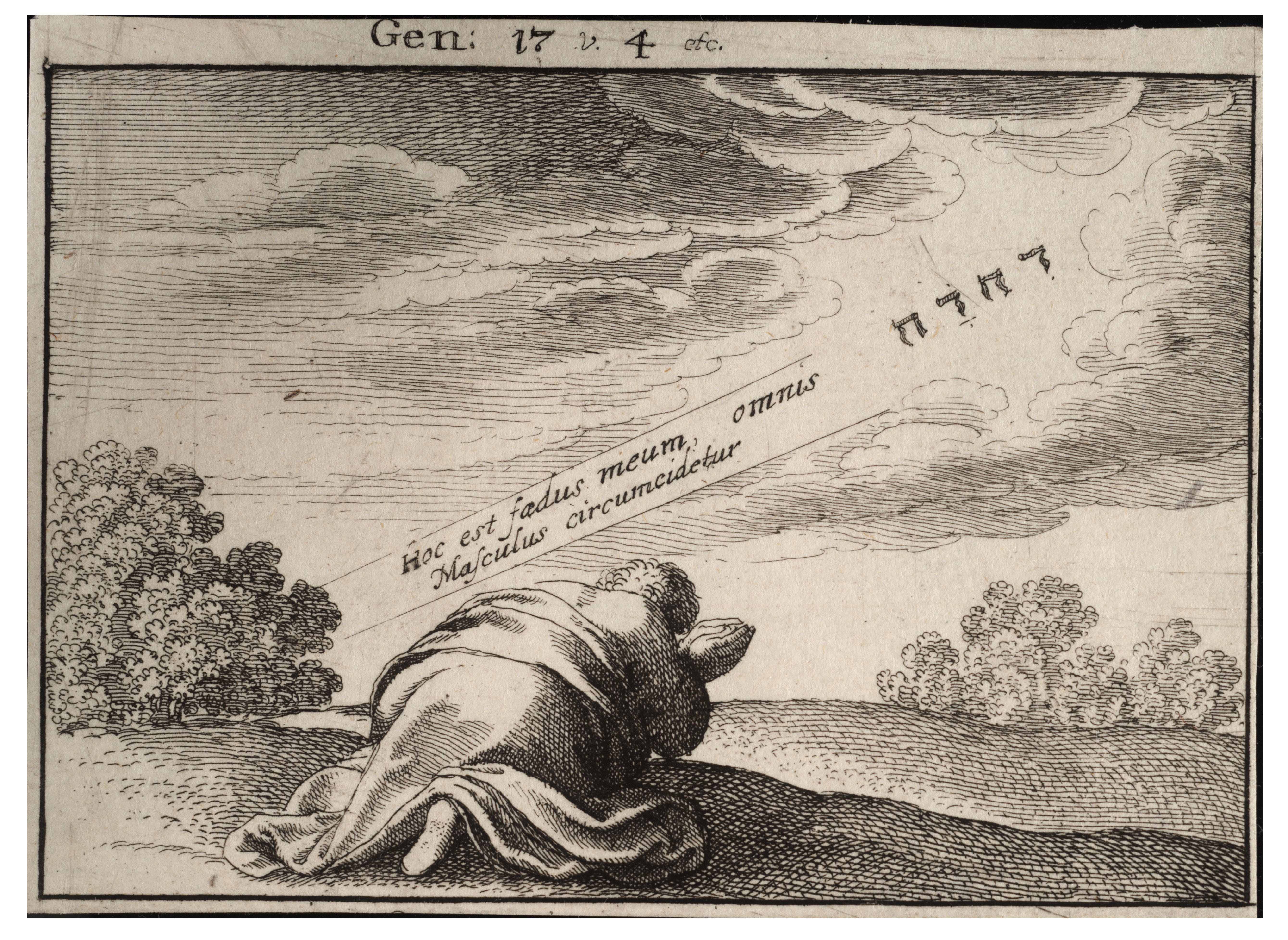
Image: Wenceslaus Hollar, File:Wenceslas Hollar - God's covenant with Abraham (State 1).jpg, c. 1607 — Public domain via Wikimedia Commons.
Scripture quotations are from the ESV® Bible (The Holy Bible, English Standard Version®), copyright © 2001 by Crossway, a publishing ministry of Good News Publishers. Used by permission. All rights reserved.
I needed to hear this today. I've been torturing myself for weeks and it's been affecting my faith! This message was just what I needed. Thank God for talking to me and letting me know that You're there, right when I need you. ❤️✝️