

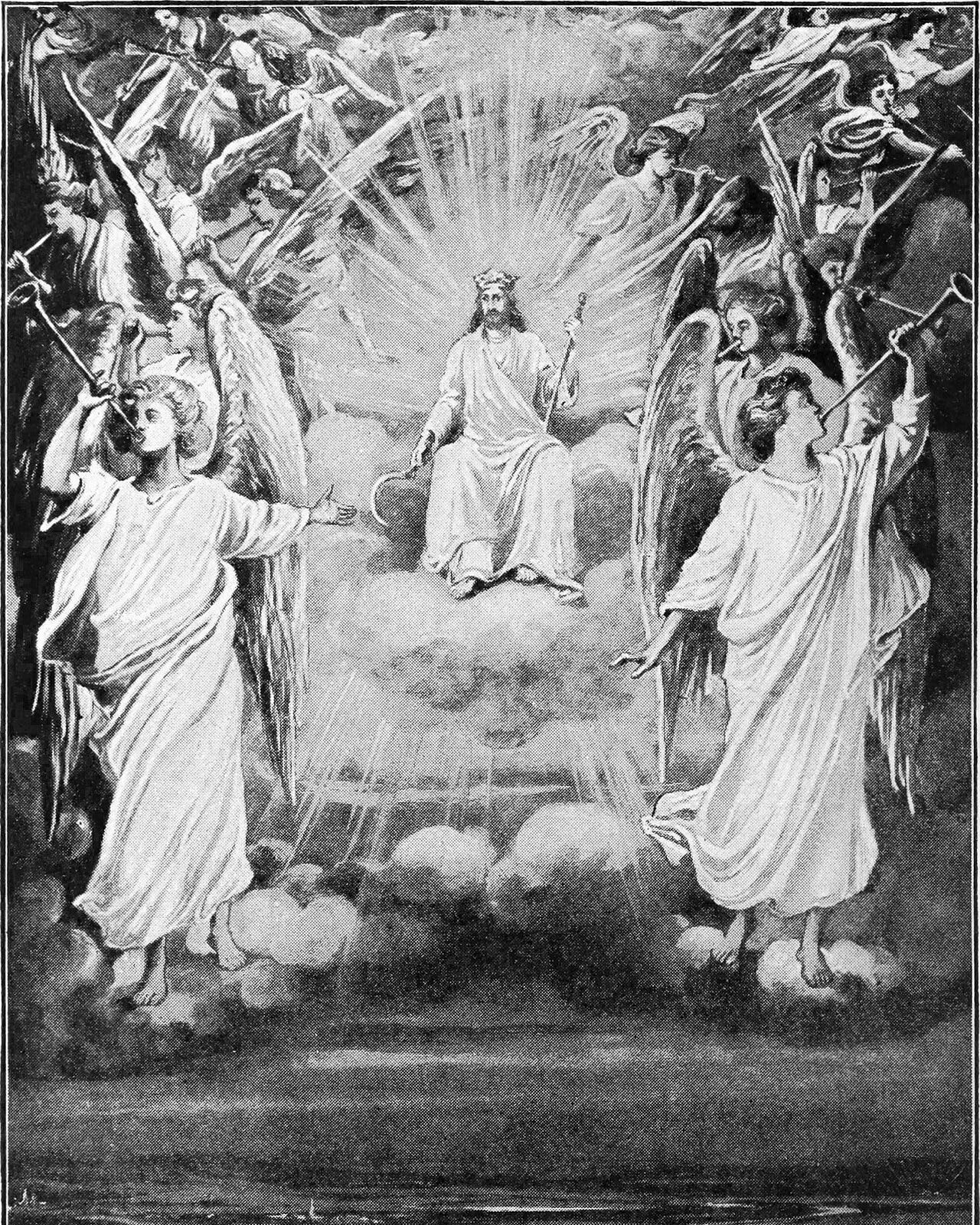
Today's Verse
Heaven and earth will pass away, but my words will not pass away.
Matthew 24:35
Historical Context
Matthew 24 belongs to what is often called the Olivet Discourse, delivered by Jesus to His disciples on the Mount of Olives in the final week before His crucifixion, around AD 30. The disciples had just marveled at the Temple buildings, and Jesus had stunned them by predicting that not one stone would be left upon another (24:1-2). Their question set the discourse in motion: when will these things be, and what will be the sign of your coming and of the end of the age?
Jesus answers on two horizons at once. The nearer horizon is the destruction of Jerusalem and the Temple, which happened in AD 70 when Roman legions under Titus burned the city and leveled the sanctuary, exactly as He had said. The farther horizon is His own return in glory at the end of history. Prophetic speech often works this way in Scripture: a near event prefigures and guarantees a greater one.
The imagery in verses 29-31 draws directly from the Old Testament prophets. Darkened sun and falling stars echo Isaiah 13 and Joel 2, where such language announces the collapse of proud kingdoms under God's judgment. The Son of Man coming on the clouds is lifted straight from Daniel 7:13-14, where that figure receives an everlasting kingdom from the Ancient of Days. Matthew's first readers, believers steeped in the Scriptures and living in the decades around the fall of Jerusalem, would have recognized these allusions immediately.
The fig tree lesson (32-33) is a simple agricultural image: you can read the seasons. And the solemn declaration of verse 35 places Jesus' own words above the created order itself, a claim no mere prophet ever dared to make.
Reflection
We live in a culture that treats the permanent as negotiable and the fleeting as ultimate. Careers, reputations, markets, nations, even the planet itself are spoken of as if they were the solid ground beneath our feet. Jesus calmly says otherwise. Heaven and earth, the two most fixed things you can point to, are on their way out. His words are not.
That is either the most arrogant sentence ever spoken or the Son of God telling us the truth. There is no third option. And if it is true, then everything in your life has to be reordered around what He has said. That means what He actually said, whatever you feel about it and whatever the age would prefer.
Notice that Jesus leaves the picture of judgment at full strength. The tribes of the earth will mourn when they see Him. Some will mourn because they finally see Him and know they did not love Him. Others, His elect, will be gathered from the four winds by angels and a trumpet. The same return is grief for one and homecoming for the other. Where you stand on that day is settled by where you stand toward Him now.
So the fig tree lesson calls for a posture more than a decoding. Watch. Stay awake. Keep His words, because His words will outlast the stars. Repent of the sins you have been managing instead of mortifying. Trust the Christ who died in your place and rose on the third day. Live today as someone who already knows how the story ends, because He has told you.
For Reflection
What in your life are you still treating as permanent that Jesus has already told you will pass away?
Prayer
Lord Jesus, You are the Son of Man who will come on the clouds with power and great glory. Teach us to build our lives on Your words and not on the passing shapes of this world. Wake us from drowsiness, soften us where we have grown hard, and gather our wandering affections back to You. When You appear, let us be found watching, trusting, and ready. We ask it in confidence, because Your word cannot fail. In Jesus' name, Amen.
Paid subscribers get the study section below: the word behind the English, the setting, and where this thread runs through the rest of Scripture.