

Today's Verse
Moses said, 'This is what the LORD has commanded: Let an omer of it be kept throughout your generations, so that they may see the bread with which I fed you in the wilderness, when I brought you out of the land of Egypt.'
Exodus 16:32
Historical Context
Exodus 16 sits about six weeks after the Red Sea crossing. Israel has moved from the songs of chapter 15 to the grumbling of chapter 16, complaining that in Egypt they at least sat by pots of meat. God answers not with rebuke but with bread: fine, flake-like stuff on the ground each morning, enough for the day, double on the sixth so no one gathers on the Sabbath. They call it manna, from the Hebrew question they asked when they first saw it, 'man hu,' meaning 'what is it?'
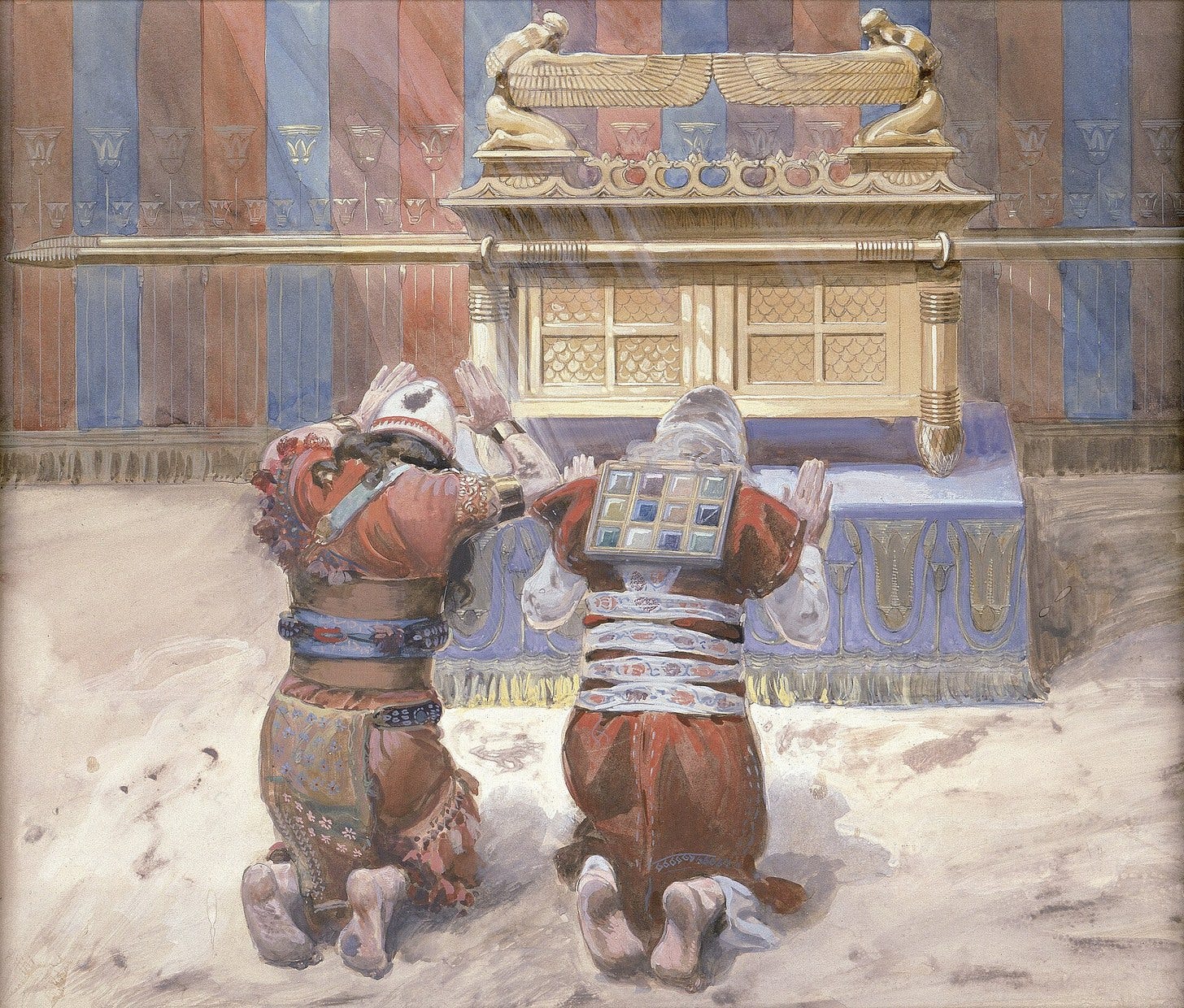
Our passage comes at the end of the chapter, after the rules for gathering have been given. Moses describes the manna in careful detail (coriander-seed shape, white, honey-wafer taste) because he is writing for people who will never see it. Then he gives an instruction that only makes full sense later: put an omer, roughly two quarts, in a jar and set it 'before the testimony.' The testimony is the ark of the covenant, which has not yet been built. Moses is writing this account after Sinai, after the tabernacle, and he is telling us the jar was eventually placed there alongside the tablets of the Law and Aaron's rod that budded (Hebrews 9:4).
The closing note, that Israel ate manna for forty years until they reached Canaan, is a summary written from the far side of the wilderness. Manna was not a brief miracle. It was daily bread for a generation and a half, a sustained provision that outlasted every complaint, every rebellion, every funeral in the desert. God fed them the whole way home.
Reflection
God knows how quickly we forget. A jar of manna, sealed and set before the ark, was not for the generation that ate it. They remembered the taste. It was for their grandchildren, and their grandchildren's grandchildren, who would grow up in vineyards and olive groves and wonder whether the wilderness stories were exaggerated.
We do the same. The prayer God answered last year fades. The provision that arrived just in time becomes, in memory, a coincidence. The season He carried us through gets retold as a season we survived. Left to ourselves, we curate a version of our lives in which we are the main provider and God is a vague background presence. The jar of manna is God's protection against that lie.
What is your jar? What have you set aside, physically or in writing, to make sure you cannot forget what the Lord has done for you? Not a vague sense of gratitude, but a specific memorial: the journal entry, the answered prayer written on a card, the date on the calendar, the story you tell your children again and again until they roll their eyes and can finish it themselves.
And remember what the manna pointed toward. Jesus stood in the synagogue at Capernaum and said, 'Your fathers ate the manna in the wilderness, and they died. I am the living bread that came down from heaven. If anyone eats of this bread, he will live forever' (John 6:49-51). The jar in the ark was a placeholder. The true bread is Christ Himself, given for the life of the world, received in faith, remembered every time the Church breaks bread in His name. Do not forget Him. Do not let your children forget Him.
For Reflection
What specific act of God's provision in your life needs to be written down, spoken aloud, or told to your children before you forget it?
Prayer
Father, You have fed me every day of my life, and I have forgotten more of Your kindness than I have remembered. Forgive my short memory. Give me the discipline to mark what You have done, to write it down, to tell it to those who come after me. And feed me on Christ, the true bread from heaven, that I may never hunger again. In Jesus' name, Amen.
Paid subscribers get the study section below: the word behind the English, the setting, and where this thread runs through the rest of Scripture.